
Eid in a Village vs Eid in the City – Cultural Differences in Bangladesh Explained

🌙 Eid in a Village vs Eid in the City (Big Difference!)

4
Eid in Bangladesh is more than just a religious festival. It is an emotional reunion, a celebration of faith, and a cultural experience deeply rooted in tradition. But if you’ve ever experienced Eid in both rural and urban settings, you already know something important:
Eid in a village feels completely different from Eid in the city.
From open green fields to crowded urban mosques, from homemade pitha to restaurant buffets, from strong community bonding to fast-paced celebrations — the contrast is real and powerful.
In this detailed guide, we will explore the true differences between village and city Eid in Bangladesh, covering:
- Eid prayer experience
- Food traditions
- Family bonding
- Shopping culture
- Qurbani (for Eid-ul-Adha)
- Children’s joy
- Community spirit
- Overall atmosphere
Let’s explore both worlds 🌿
🌾 1️⃣ Eid Morning: Peaceful Village vs Busy City
🌅 Eid Morning in a Village

4
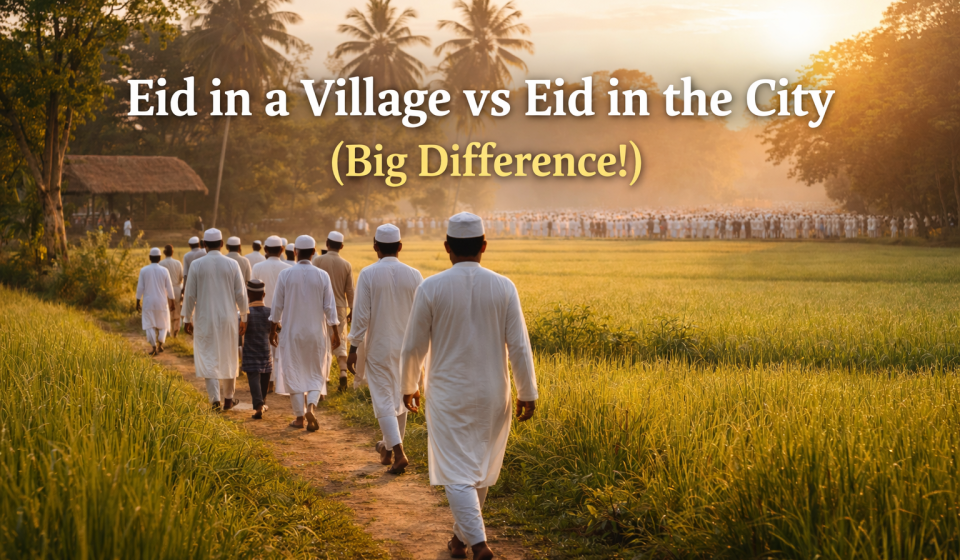
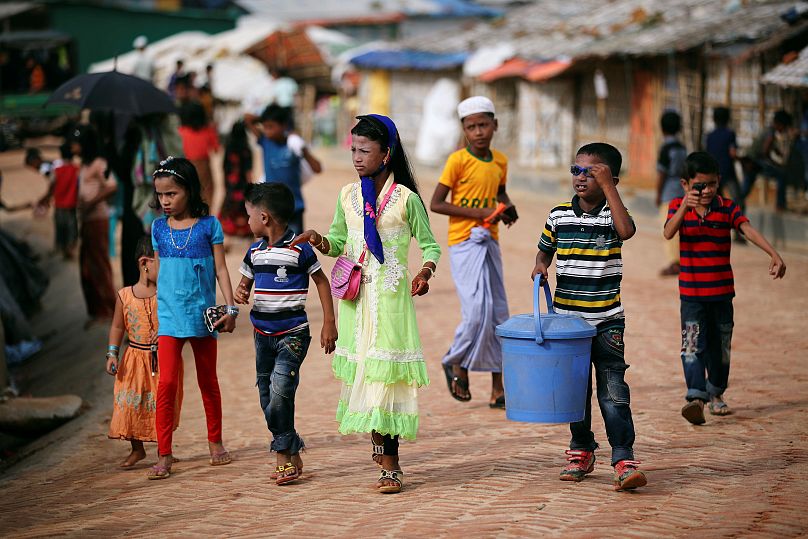
In a Bangladeshi village, Eid morning begins quietly. The air feels fresh. Birds are singing. The azan echoes across open fields.
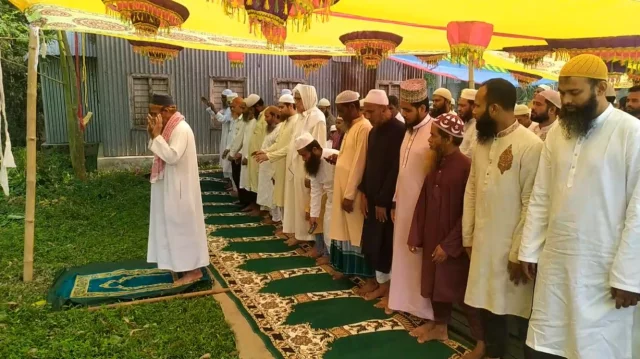
Men and boys walk together to the Eidgah field, often wearing white panjabi and new sandals. There are no traffic jams. No loud car horns. Just soft greetings:
“Eid Mubarak!”
People often walk barefoot on soft grass. The Eid prayer usually happens in an open field surrounded by paddy fields and trees.
It feels spiritual. Calm. Pure.
🏙️ Eid Morning in the City
In cities like Dhaka or Chittagong, Eid morning is very different.
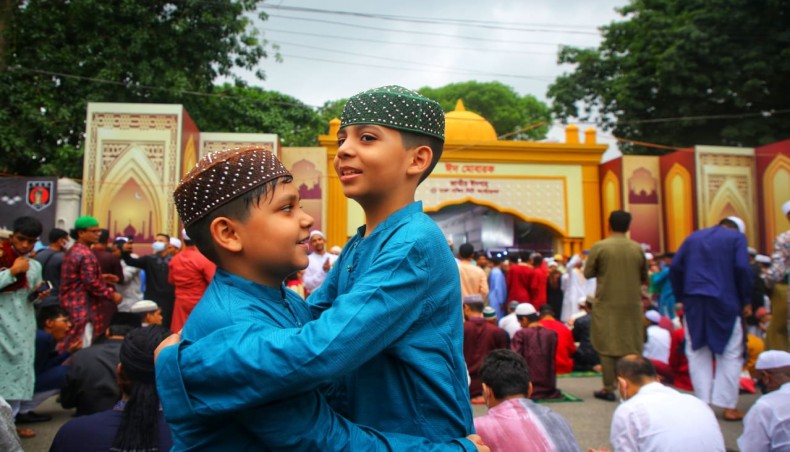
Mosques are crowded. Roads are busy. Thousands gather in large national mosques like Baitul Mukarram National Mosque.
You may need to:
- Wake up earlier
- Travel by rickshaw or car
- Find space in a packed prayer area
It is energetic and grand, but less peaceful.
Big Difference:
Village Eid = calm & open
City Eid = crowded & energetic
🍛 2️⃣ Eid Food: Homemade vs Restaurant Culture
🥘 Village Eid Food

4
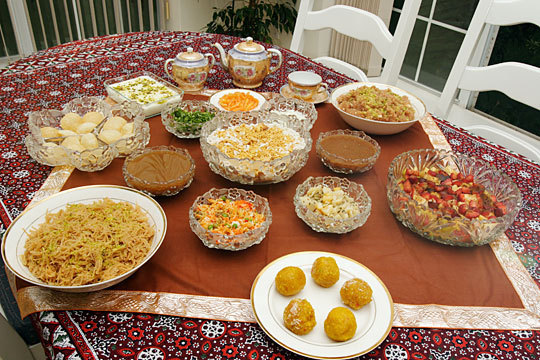
In villages, food preparation starts days before Eid.
Women cook:
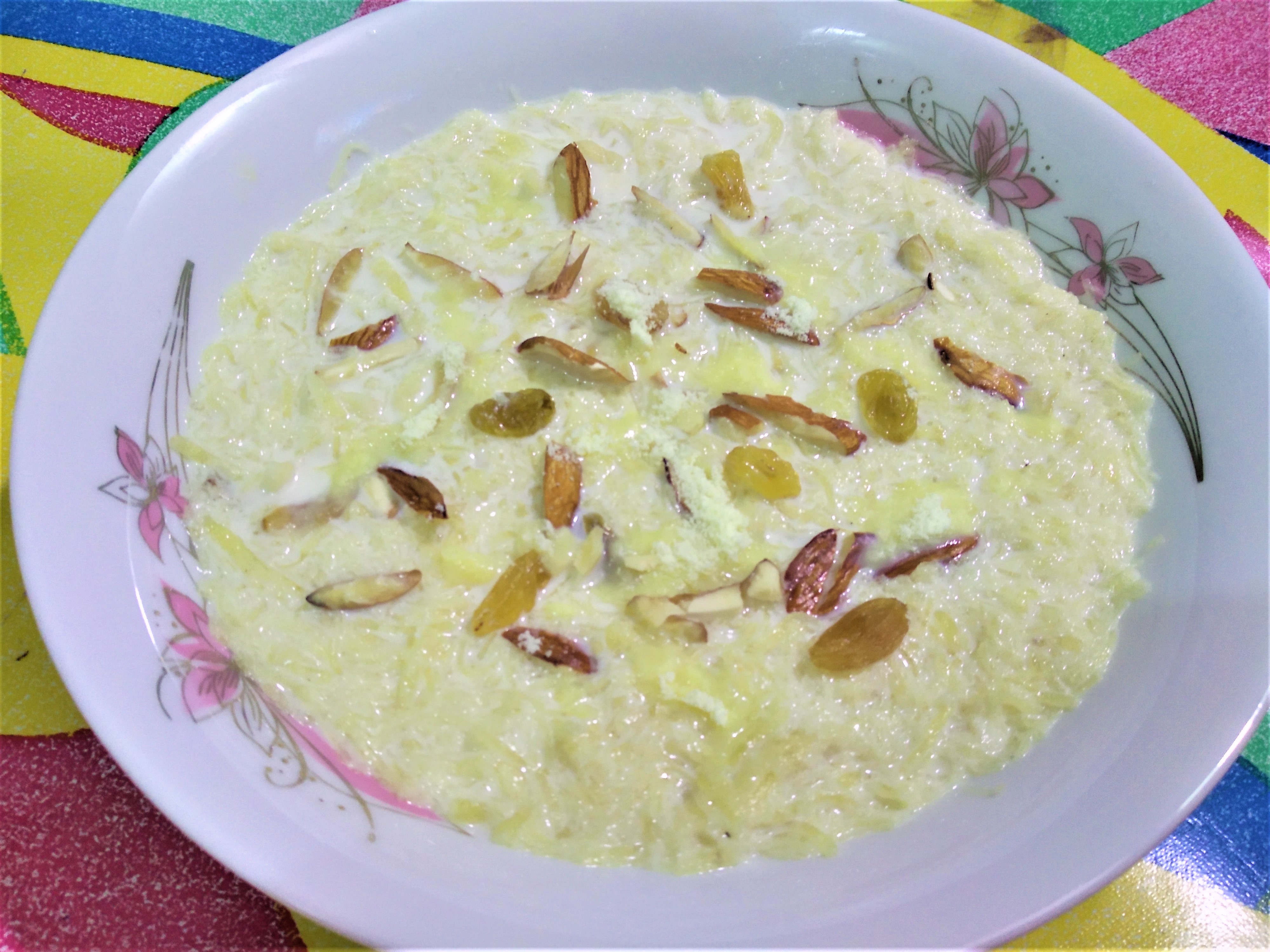
- Shemai (semiya)
- Pitha
- Homemade sweets
- Beef or mutton curry
- Polao
Cooking is done on traditional clay stoves. Everything is fresh and often organic — milk from their own cows, rice from their own fields.
Relatives visit each other’s homes throughout the day. Every house offers food.
You eat. Then eat again. And again 😄
🍽️ City Eid Food
In cities:
- Many families order food from restaurants
- Catering services are common
- Some families eat at hotels
Yes, the food is delicious. But it often lacks the emotional warmth of homemade village cooking.
Also, in cities, fewer people visit neighbors’ houses. Celebrations are usually limited to close family.
Big Difference:
Village Eid food = traditional + shared
City Eid food = modern + convenient
🐐 3️⃣ Eid-ul-Adha: Qurbani Experience
🌾 Qurbani in the Village

4
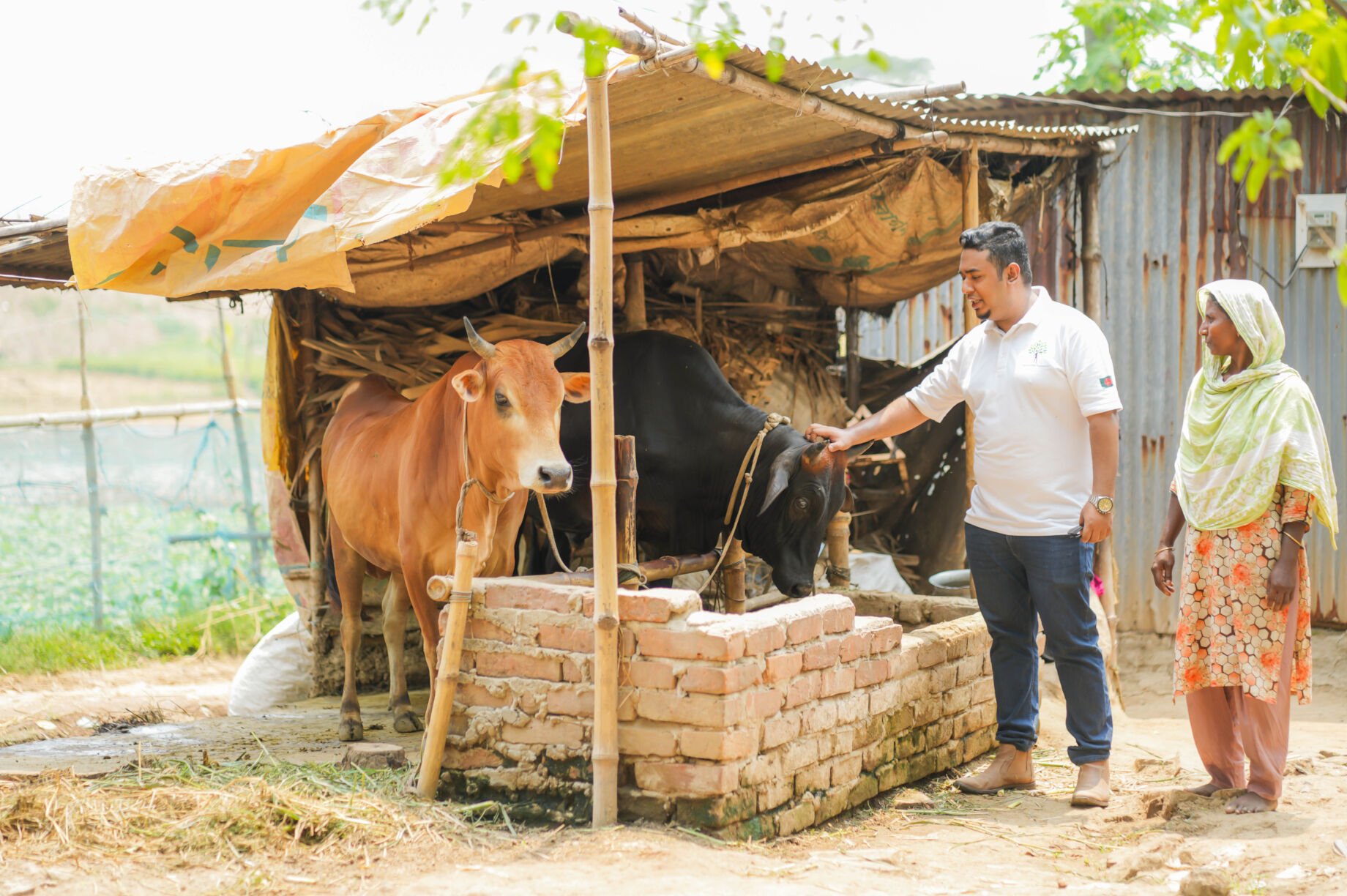
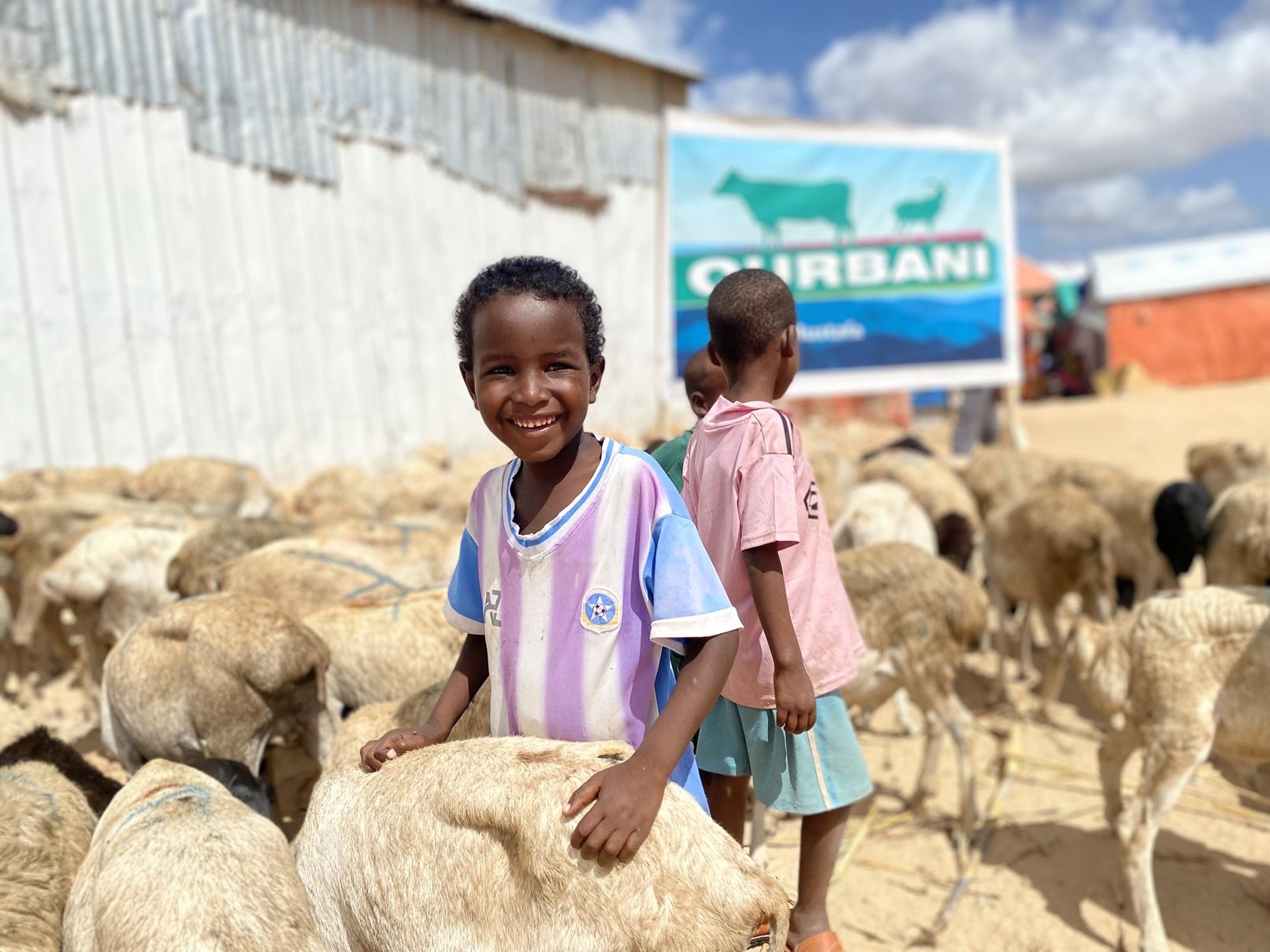
In villages, cows and goats are often raised at home.
Children know the animal personally. They feed it. Care for it.
On Eid-ul-Adha morning:
- The animal is sacrificed in open space
- Neighbors help each other
- Meat is distributed equally
- Poor families receive generous shares
It feels communal and emotional.
🏙️ Qurbani in the City
In cities:
- Animals are bought from temporary cattle markets
- Sacrifice happens in apartment parking areas
- Professional butchers are hired
- Distribution is more organized
It is efficient but less personal.
👨👩👧👦 4️⃣ Family & Community Bonding
Village Eid
In villages, everyone knows everyone.
You visit:
- Neighbors
- Relatives
- Teachers
- Village elders
Children run freely across fields. No fear of traffic.
Community bonding is strong. People forgive old conflicts. Elders sit together sharing memories.
City Eid
In cities:
- Many people travel back to their village
- Apartment neighbors may not even know each other
- Celebrations are more private
City life is individualistic. Village life is collective.
🛍️ 5️⃣ Eid Shopping: Local Market vs Mega Mall
Village Shopping

4
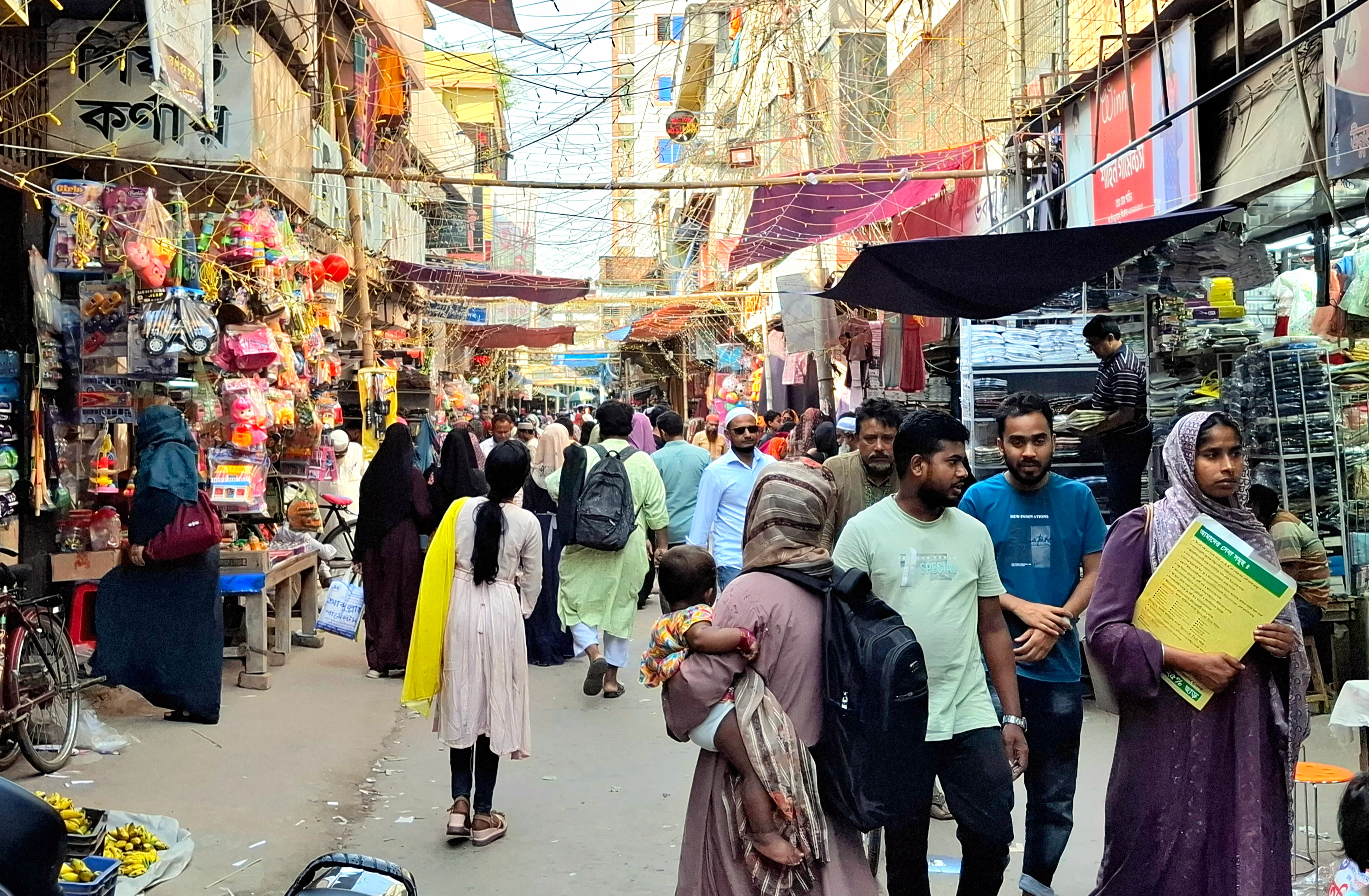
Shopping happens in local bazaars.
Simple clothes. Affordable prices. Less brand obsession.
Joy comes from buying something new — not something expensive.
City Shopping
In cities:
- Huge malls
- Branded outfits
- Fashion trends
- Long queues
Shopping is exciting but stressful.
👶 6️⃣ Children’s Experience
Village kids:
- Play traditional games
- Fly kites
- Visit ponds
- Receive Eidi from many elders
City kids:
- Play video games
- Visit amusement parks
- Stay indoors more
Village childhood feels freer.
🌳 7️⃣ Environment & Atmosphere
Village Eid atmosphere:
- Fresh air
- Green fields
- Open sky
- Quiet nights
City Eid atmosphere:
- Lights
- Decorations
- Fireworks
- Noise
Both are beautiful — but different in feeling.
❤️ 8️⃣ Emotional Value
For many Bangladeshis, Eid in the village feels more nostalgic.
It reminds them of:
- Grandparents
- Childhood
- Simpler times
City Eid represents:
- Progress
- Modern lifestyle
- Fast change
Both represent Bangladesh — just two different faces.
📊 Quick Comparison Table
| Topic | Village Eid | City Eid |
|---|---|---|
| Prayer | Open fields | Crowded mosques |
| Food | Homemade traditional | Restaurant & catering |
| Community | Strong bonding | Limited interaction |
| Qurbani | Personal & shared | Organized & professional |
| Atmosphere | Peaceful & natural | Energetic & modern |
🌿 Which One Is Better?
There is no “better.”
Village Eid offers:
- Emotional depth
- Community warmth
- Simplicity
City Eid offers:
- Convenience
- Modern comfort
- Grand arrangements
The real beauty of Bangladesh lies in experiencing both.
🌙 Final Thoughts
Eid in a village vs Eid in the city is not just a difference of location. It is a difference of lifestyle, pace, and emotion.
If you have never experienced Eid in a Bangladeshi village, try it at least once. Wake up early. Walk to Eidgah through green fields. Eat homemade shemai in five different houses. Watch children run freely under open skies.
You will understand something powerful:
Village Eid touches the heart.
City Eid impresses the eyes.
Both are beautiful parts of Bangladesh’s culture 🌾