
Inside a Traditional Mud House in Bangladesh – Design, Culture, and Village Life Explained

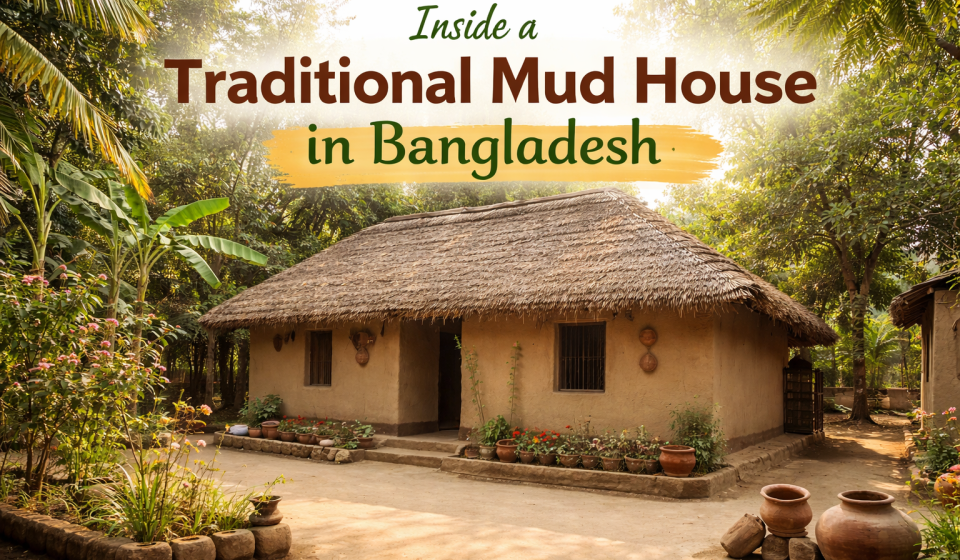
Inside a Traditional Mud House in Bangladesh
Exploring the Heart of Rural Architecture and Village Life


4
Introduction: A Home Built from the Soil
In the villages of Bangladesh, where golden paddy fields stretch across the horizon and rivers gently flow beside bamboo groves, stands a timeless symbol of rural life — the traditional mud house.
A traditional mud house in Bangladesh is more than just a shelter. It represents history, culture, community bonding, and sustainable living. For generations, villagers have built homes using natural materials found around them — clay soil, straw, bamboo, wood, and jute.
In today’s modern era of concrete buildings and steel structures, these earthen homes still stand strong in many rural districts. They remain cool in summer, warm in winter, and deeply connected to nature.
This article takes you inside a traditional mud house in Bangladesh — exploring its design, structure, daily life, cultural meaning, and why it still matters today.
The Structure of a Traditional Mud House
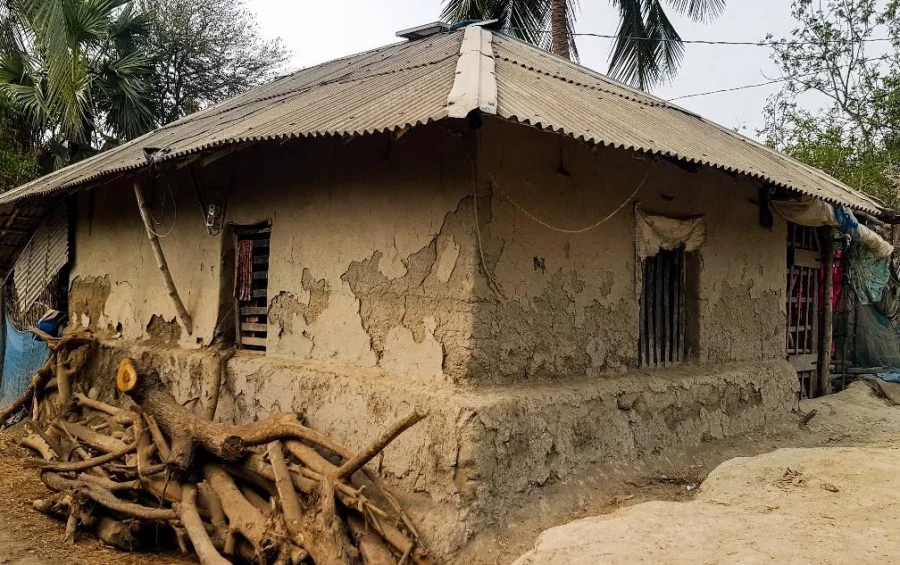
1. Foundation and Walls
The walls of a traditional mud house are built using a mixture of:
- Clay soil
- Rice husk
- Straw
- Cow dung (used as binding material)
Villagers mix these ingredients with water and knead them like dough. The mixture is then layered and shaped into thick walls.
These walls are usually:
- 12–18 inches thick
- Strong and insulating
- Naturally temperature-controlled
The thickness keeps the interior cool during Bangladesh’s hot summers and warm during winter nights.
2. The Roof Design


4
Most traditional mud houses use one of two roof types:
Thatched Roof (Khar Roof)
Made from dried straw or paddy stalks.
- Excellent insulation
- Eco-friendly
- Requires yearly maintenance
Tin Roof
Later adaptation in many villages.
- Durable
- Easier maintenance
- Louder during rainfall
The sloped design allows heavy monsoon rain to drain quickly.
The Courtyard (Uthan): The Heart of the Home
One of the most important parts of a traditional mud house in Bangladesh is the courtyard — locally called the “uthan.”
The courtyard serves multiple purposes:
- Drying rice and spices
- Children playing
- Family gatherings
- Wedding ceremonies
- Evening gossip sessions
In rural Bangladesh, the courtyard is not just open space — it is the social center of the home.
Interior Layout of a Mud House
Inside, the layout is simple yet functional.
Typical Rooms Include:
- Sleeping room
- Storage room
- Kitchen (usually separate)
- Prayer space
Furniture is minimal:
- Wooden beds (Chowki)
- Bamboo shelves
- Clay pots
- Handwoven mats
Electricity may or may not be present depending on the village.
The Separate Kitchen: Clay Stove Tradition


4
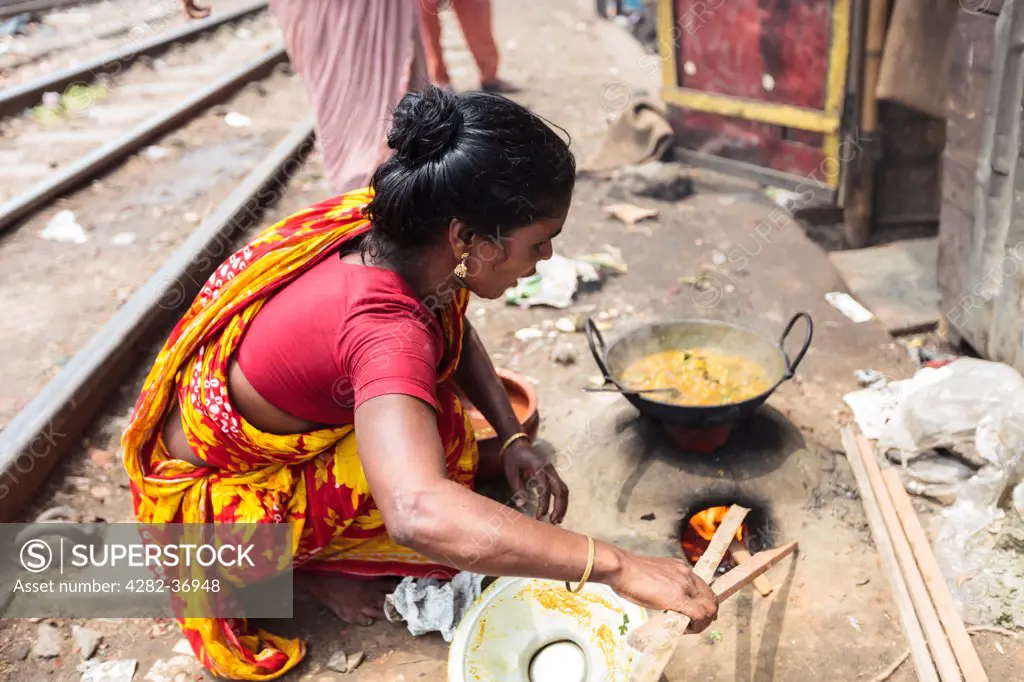
Most traditional mud houses have a separate kitchen structure.
The clay stove, known locally as “Chula,” is built from mud. It runs on:
- Firewood
- Dried leaves
- Cow dung cakes
Cooking in these kitchens creates a unique smoky aroma that many people associate with childhood memories.
Village food prepared here tastes different — richer and more authentic.
Seasonal Adaptation: Perfect for Bangladesh’s Climate
Bangladesh experiences:
- Hot summers
- Heavy monsoon rains
- Cool winters
Mud houses naturally adapt to this climate.
Summer
Thick earthen walls absorb heat slowly, keeping interiors cool.
Monsoon
Elevated floors prevent water entry during floods.
Winter
Mud retains warmth inside.
Modern eco-architects are now rediscovering these techniques as sustainable solutions.
Cultural and Emotional Significance
A traditional mud house in Bangladesh is deeply emotional for many people.
It symbolizes:
- Childhood memories
- Grandparents’ stories
- Harvest celebrations
- Eid mornings in the village
For many Bangladeshis living in cities or abroad, the mud house represents roots and identity.
Decoration and Aesthetic Beauty


4
Village women often decorate mud house walls with:
- Alpana designs
- Natural dyes
- Floral patterns
- Geometric art
Before festivals like Eid or weddings, houses are freshly coated with mud and cow dung mixture, giving them a clean, smooth finish.
This practice is both decorative and hygienic.
Advantages of Traditional Mud Houses
1. Eco-Friendly
Made entirely from natural materials.
2. Low Cost
Affordable for rural families.
3. Temperature Control
Naturally insulated.
4. Locally Built
Community-based construction.
5. Sustainable
Minimal environmental impact.
Challenges and Modern Changes
Despite their beauty, mud houses face challenges:
- Vulnerable to heavy flooding
- Require yearly maintenance
- Less durable than concrete
- Youth prefer modern homes
Today, many villagers replace mud houses with brick and cement structures for status and durability.
However, some NGOs and architects promote improved mud house technology — mixing cement stabilization to make them stronger.
Mud Houses in Different Regions of Bangladesh
Different districts show slight variations:
- Northern Bangladesh: Thicker walls for colder winters
- Southern coastal areas: Elevated platforms against floods
- Hilly regions: Bamboo + mud combinations
Each reflects adaptation to geography.
Life Inside a Mud House: A Day in Rural Bangladesh
Morning begins early.
- Azan echoes
- Roosters crow
- Women sweep the courtyard
- Smoke rises from clay stoves
Children prepare for school. Farmers head to fields. Elderly people sit under trees sharing stories.
Evenings are magical.
- Kerosene lamps glow
- Tea is served
- Family members gather in the courtyard
Life moves slower — but feels fuller.
Sustainability: A Future Solution?
In a world facing climate crisis, mud houses offer inspiration.
They:
- Reduce carbon footprint
- Use zero industrial materials
- Require no heavy machinery
- Are biodegradable
Some modern architects now combine traditional mud techniques with modern design.
Earthen architecture might become the future again.
Why Traditional Mud Houses Still Matter
Even as cities grow and villages modernize, traditional mud houses in Bangladesh remain important.
They preserve:
- Rural identity
- Traditional skills
- Community cooperation
- Environmental harmony
They teach us that simplicity can be beautiful.
Conclusion: A Home Made from Earth and Emotion
Inside a traditional mud house in Bangladesh, you do not just see walls made of clay — you feel history, resilience, and belonging.
These homes are built from the same soil that grows rice, from the same hands that harvest crops, and from the same traditions passed down for generations.
They are warm in winter, cool in summer, and rich in memories all year round.
In a rapidly changing world, perhaps we should not look down on mud houses as symbols of poverty — but respect them as symbols of sustainability, culture, and identity.
Village life may be simple, but it is deeply meaningful.
And at the center of it stands the humble mud house — strong, silent, and rooted in the heart of Bangladesh.